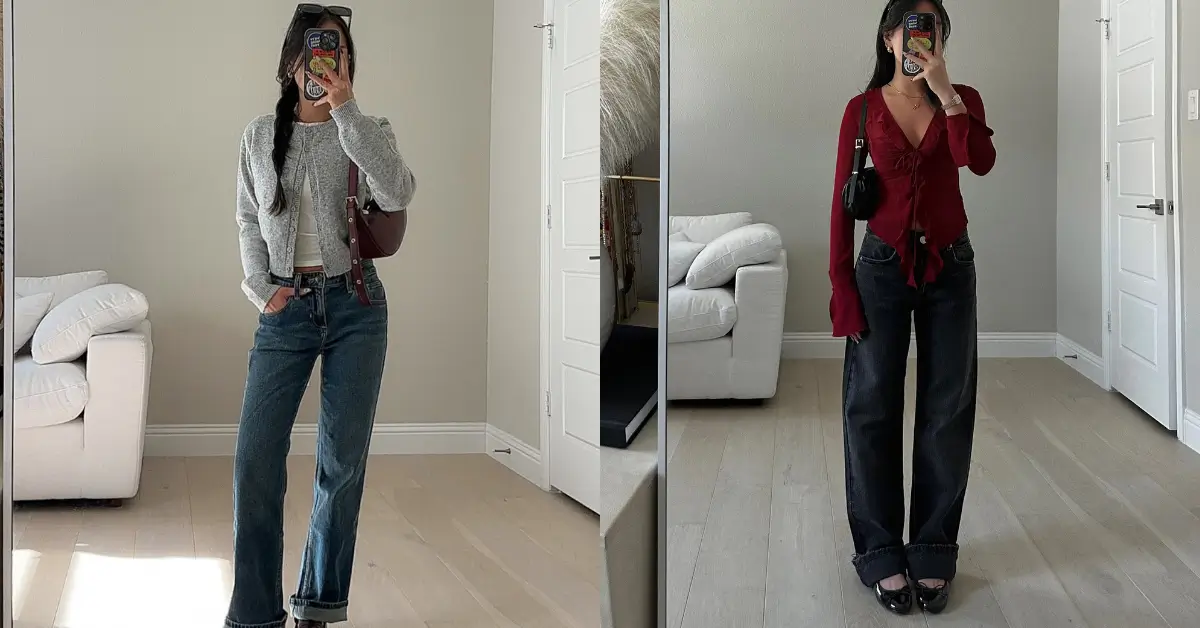
Not liking the pieces in your closet usually isn’t a shopping problem, it’s a clarity problem. You might own plenty of clothes and still feel like nothing works together, nothing feels like you, or everything looks “fine” but not right. Most people assume they need a whole new wardrobe, but the issue often comes from a few repeat patterns: inconsistent fit, colors that don’t mix, and impulse buys that don’t match your real life.
This doesn’t mean you failed at style. The goal is to figure out what’s actually missing so getting dressed stops feeling frustrating. In this article, you’ll learn how to spot the pieces that keep derailing your outfits, how to identify what you truly wear versus what you wish you wore, and how to build simple outfit formulas you can repeat. You’ll also get practical steps for editing your closet, filling gaps with intention, and choosing future purchases that work with what you already own.
Step 1: Purge Your Closet (Yes, Really)
This is the most annoying step, the one you want to skip, the one seeming too obvious – but you need to purge your closet. Now, I have some pretty hot takes and unpopularish opinions, so hear me out. I genuinely get the itch when influencers discuss building capsule wardrobes because first, that term gets thrown around constantly even though most people don’t actually want capsule wardrobes.
Second, a true capsule wardrobe means having few clothes – imagine your entire closet fitting in a carry-on. I’m not telling you to build a capsule wardrobe because if you’re reading this, you like fashion. You’re going to want more clothes than that.
I’m not advocating throwing away everything for the dopamine hit – you’ll discard things you actually liked, miss potential pieces, then have to buy more clothes. Very inefficient. But understand this: if you don’t want to hate your closet, it can’t be 80% clothes you never wear.
I have cool hand-me-downs I don’t identify with stylistically anymore. Boyfriend’s pants that literally fall off my waist. All of this clutters morning decision-making. What we want is making decisions so easy that no matter what you choose, you’ll love it. Imagine that. Wouldn’t that be amazing?
The Decision Map
Important: do this purge when feeling good, in a calm state. For pieces you haven’t worn this season, keep them if: (1) they have genuine sentimental value – not “I bought this on a special trip” but actual deep sentiment like grandmother’s hand-me-downs or worn at truly special life events; (2) made of exceptionally good, strong, quality material (rare nowadays); or (3) you’ve worn it extensively before and you’re just tired of it currently, but don’t hate it – if you saw a photo of yourself wearing it, you wouldn’t roll your eyes.
Probably shouldn’t keep pieces where you rationalize “I need this just in case.” If that situation hasn’t happened yet, that’s your sign. “These would be ideal pants if I ever go fishing” or “Perfect if I want to dress as a bee for Halloween.” Also don’t keep purchases associated with guilt – either because they were expensive (time to let it go, sell on secondhand platforms) or very recent purchases you now hate. It’s frustrating buying things then realizing you dislike them, but what’s more frustrating is getting dressed among a million options you don’t actually like.
Give yourself grace. We all make mistakes in style and purchases. Today isn’t about normalizing buying unworn items – it’s about building your dream closet, which might already exist within your current closet but is cluttered beyond recognition. Learn from this process.
Notice patterns in what you’re discarding: colors, silhouettes, sizes. Maybe you’re removing many extra-small items because you don’t love fitted clothes anymore. Maybe you’re ditching beiges and creams because you assumed they were versatile basics but actually hate beige. Find patterns to inform future shopping.
Eliminate “Supermarket Style”
You know when you’re building outfits for mundane errands – post office, supermarket, lunch with grandma – and you don’t choose special pieces, watering down your style because it’s “not worth it” to sweat clothes you love? You like the outfit but it’s not you, wouldn’t wear it to work or school – just a diluted style version.
We want to eliminate that. Why maintain watered-down style versions? My parents had special silverware never worn because dinners never seemed special enough. Remove those pieces you kind of like but don’t really because we want loving our outfits every single day. That doesn’t mean extravagant daily outfits, but it does mean loving them consistently.
If you’re indecisive about discarding something, make a box – put it under your bed, in your attic – with questionable pieces, then reassess at season’s end. At least remove them from your closet. I’m guilty of storing unworn items at my mom’s house, worried I’ll like them again or maybe my kids will someday. If that’s your problem too, I’d rather you box clothes elsewhere than leave them cluttering your closet.
Step 2: Organize by Category and Color
Simple step, but it genuinely impacts decision-making and how your brain processes your closet. Organize by clothing types and colors. I separate tops, sweaters, pants, skirts, dresses, jackets. I don’t separate long-sleeve tops from summer tops because I wear both across seasons, but maintain those distinctions.
Within categories, everything’s color-coordinated: tops from white to red to green to black; skirts from white to red to green to blue to black. That seems like a small change, but it literally clarifies how you process your closet when looking at it and really helps build mental reference.
Step 3: Stop Buying Clothes for a Month
This is the most annoying step. You won’t want to do it. You’ll want to skip it. And if you skip it, you won’t achieve your dream closet. Please do this: stop buying clothes for thirty days. Just four weeks. Everything’s so accessible because many things are so cheap nowadays that we don’t give ourselves headspace to ponder.
It’s hard making decisions when you see something one day then buy it two, three days, or even a week later. Our stimulation-bombarded brains change aesthetic opinions quickly. If we don’t shop intentionally, finding the one piece we love instead of ten pieces we kind of like, we’ll keep cluttering closets with unloved items requiring monthly or biannual purges.
This forces creativity with existing pieces because you lack new dopamine-hit items you wear constantly because they’re new. Make a notes list – I have one called “to not buy,” literally my wish list where items wait a month before purchase. I swear it makes the hugest difference reducing getting-ready frustration because I’m tired of feeling annoyed at my own closet that I built with clothes I bought.
This builds a “you” closet instead of a “trends” closet, giving trendy items time to pass, helping you make better decisions. When you make better decisions, you gain confidence and trust in yourself – almost like you’re your own friend consistently making choices you won’t regret later. Personal style isn’t defining yourself with words or aesthetics; it’s learning what you dislike and what you like. Sometimes we need time determining if we genuinely like something or if it’s just a crush that’ll pass.
Step 4: Shop Intentionally (When You’re Ready)
After establishing a specific wish list with items you’ve liked for a month, shop intentionally, not emotionally. Ensure purchases suit your day-to-day activities. If you’re mostly home, invest in comfortable homewear.
If you have corporate jobs, buy cool pieces appropriate for office wear so you don’t constantly water down your style professionally. Don’t get stuck on sizes – your dream piece might be medium even though you typically wear small.
Step 5: The Baby Food Method
If you’re still confused, try this concept: when babies start eating solid food, parents introduce each food group separately – pasta one day, broccoli next, then tomatoes. Do that with your style.
Pick your favorite white tee and favorite pants, wear variations throughout the week, then daily add layers and accessories as if introducing baby food. Introduce new pieces and colors gradually, giving your mind a style reset.
Step 6: Give Yourself Time and Grace
This is a first-world problem, but building outfits you love and figuring out preferences is genuinely hard. It takes time we don’t always give ourselves. We’re constantly rushing because we wake too late. If that’s you, start waking earlier or planning outfits the night before. The timing of outfit-building is crucial – it’s not just about clothes but about mood and having time. Getting ready knowing you can’t try multiple options creates stress and makes you hate getting dressed.
I love fashion, but for a long time getting dressed was just stressful – running late for school without time to try things on, leaving with disliked outfits that ruined my daily mood. Consider how you’ve been feeling lately when facing your closet and try improving that process. Bring tea or coffee to your closet. Play music. This sounds silly but actually works.
I genuinely think decision fatigue from closets filled with unworn, unliked clothes is a significant problem. The solution isn’t mind-blowing, but it will help tremendously. Let me know your biggest getting-dressed struggles – I hope this helps you build the closet you actually want to use every single day.
Why You Don’t Like the Pieces in Your Closet and How to Fix It
You usually dislike your closet because it does not match your real life. You buy cute pieces, but they do not work together, do not fit your daily routine, or do not feel like you. The fix is not more shopping. The fix is clarity.
Three common issues:
-
You buy “event clothes” but you live in casual days.
-
You buy trends that do not match your proportions or comfort level.
-
You own pieces you like alone but you cannot style them together.
How to fix it fast:
-
Identify your real weekly life: work, errands, dinners, travel, lounging.
-
Build 3 outfit formulas you can repeat. Example: straight jeans + fitted top + blazer.
-
Choose a color palette of 2–3 main colors, then stop buying random colors.
-
Tailor or replace the pieces that almost fit, because “almost” never gets worn.
Just a little note - some of the links on here may be affiliate links, which means I might earn a small commission if you decide to shop through them (at no extra cost to you!). I only post content which I'm truly enthusiastic about and would suggest to others.
And as you know, I seriously love seeing your takes on the looks and ideas on here - that means the world to me! If you recreate something, please share it here in the comments or feel free to send me a pic. I'm always excited to meet y'all! ✨🤍
Xoxo Clara