


There is a myth floating around that a good morning barn routine means waking up at four and moving nonstop until noon. That is just not true, lol!
A solid routine is really just a handful of small steps done in the same order every day.
Once the order sticks, your brain stops fighting it and your hands just know what to do next. That is the whole secret, honestly.
This list pulls from hundreds of routines that real barn owners actually use, not the fantasy version you see in magazines. Only the ones that are simple, realistic and actually work before your coffee kicks in made the cut.
Some of these ideas cover the barn itself, some cover the whole homestead morning and a few are built for specific seasons. Winter mornings need different tricks than a lazy summer one, right?
Use whatever fits your setup and skip the rest. Nobody needs all 18 running at once, that would be chaos!
Grab your boots and let’s walk through some genuinely useful morning barn routine ideas together.
MORNING BARN ROUTINE IDEAS
Sunrise Stall Cleaning Checklist

Starting the day with a stall check just makes sense. Walk each stall before anything else, pick out manure and wet spots first.
A quick visual sweep also tells you if anyone got cast overnight or seems off. Catching that early saves a lot of trouble later, trust me!
- Do it before coffee even brews
- Takes about fifteen minutes total
- Fresh eyes catch problems fast
Hay Feeding Station Setup

Hay stations work best when they are set up the night before, but a quick morning refill keeps things honest. Fill nets or racks at the same spot every day so animals know exactly where to look.
This one small habit cuts down on pushing and shoving at feeding time. Who doesn’t love a calmer barn in the morning, am I right?
Read also: 20+ Cozy Country Christmas Morning Ideas That Steal Hearts
- One less thing to think about at dawn
- Slow feeder nets stretch the hay
- Same spot every single day
Barn Aisle Sweeping Steps

Sweeping the aisle first thing sounds boring, but it sets the tone for the whole barn. A clean aisle means less dust kicked up while you work later.
Push debris toward the door as you go instead of circling back twice. Small shortcut, big time saver.
Fresh Water Trough Refill

Water troughs get gross overnight, more than people expect. Dump anything cloudy, scrub the sides if algae shows up and refill completely.
Cold mornings especially call for a quick check since ice can sneak in fast. Nobody wants a thirsty animal standing over a frozen bucket, that is just sad.
- Fresh water changes everything
- Scrub brush lives by the spigot
- Full refill beats topping off
Morning Livestock Head Count

A morning head count feels almost too simple to matter, but it catches escapees fast. Walk the pasture line or paddocks and count noses before you get busy with anything else.
It takes two minutes and it might be the most important two minutes of the whole routine.
Grooming Kit Morning Basket
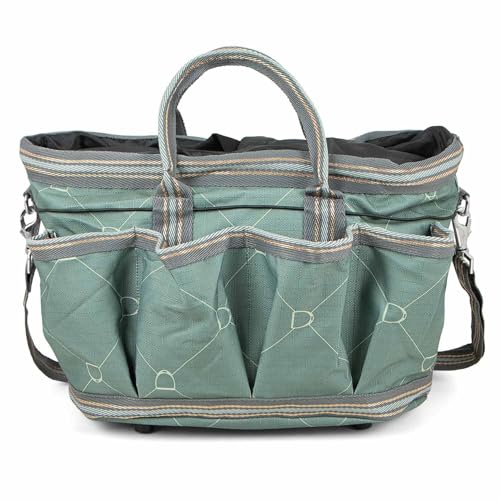
Keep a small basket by the tack room stocked with brushes, a hoof pick and a rag. Grooming before turnout catches ticks, cuts and swelling before they become bigger issues.
Read also: 18+ Genius Horse Tack Room Ideas That Save Space
A five minute brush down also builds trust, which matters more than people think. This basket idea keeps everything in one grab and go spot instead of scattered across shelves.
- Grab and go, no searching required
- Hoof pick clipped to the handle
- Rag doubles as a face wipe
Barn Cat Feeding Corner
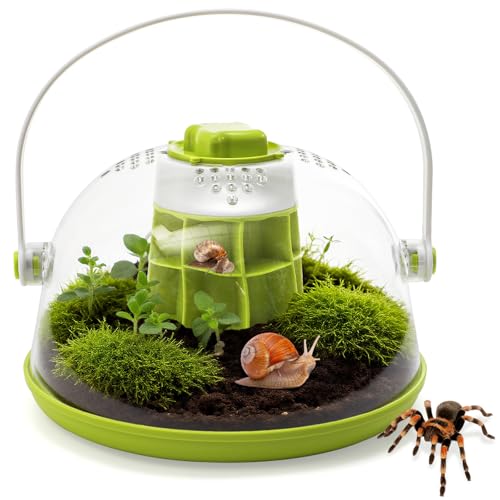
Barn cats earn their keep, so a dedicated feeding corner keeps them close and the mice count low. Set a small dish up on a shelf away from the dogs and other animals.
Same spot, same time and they will show up like clockwork every single morning.
- Barn cats run on habit too
- dressed up dish keeps it dust free
- Works with dry or canned food
Manure Cart Morning Route

Manure carts pile up fast if there is no set route. Pick a path that goes stall to stall in one direction, never doubling back.
This saves your arms and your patience, honestly. A wheelbarrow with a good tire makes the whole route smoother too.
Coffee Before Chicken Coop

There is something about a coffee mug in hand before facing the coop that just makes sense. It is part of a wider homestead morning routine that plenty of small farm owners swear by, coffee first, chickens second.
Walk out slowly, let the birds settle and open the coop door once you have actually woken up yourself.
Garden Dew Check Walk
Walking the garden while the dew is still heavy shows you things a dry afternoon walk never will. Slug trails, wilted leaves and pest damage all show up clearer in that early light.
Bring a small basket along in case anything is ready to pick. Two birds, one walk!
Egg Basket Collection Time

Egg collection is one of those chores that feels like a little treasure hunt every morning. Warm eggs still sitting in the straw never get old, honestly.
Collect twice if your flock is large, once in the early morning and again by midday. Fewer cracked shells that way and fresher eggs overall.
- Still warm beats store bought every time
- Wire basket keeps shells from cracking
- Check nesting boxes twice on busy days
Printable Weekly Chore Chart

A printable chore chart takes the guesswork out of who does what and when. Hang it by the barn door where everyone can see it, coworkers or family helping out included.
Read also: 15+ Creative Farm Journal Ideas That Transform Records
Farm chores schedule ideas work best when they are visible, not buried in a notebook somewhere.
Cross tasks off as they get done and reset the sheet weekly.
- Nobody forgets a chore again
- Laminated sheet survives barn dust
- Dry erase marker clips right to it
Evening Versus Morning Tasks

Not every task belongs in the morning. Feeding and water checks make sense early, while deep cleaning and repairs fit better in the evening when there is more daylight left after work.
Splitting tasks this way keeps mornings short and evenings productive instead of exhausting.
Spring Fence Line Inspection

Spring is the season fences reveal every winter mistake. Walk the entire fence line looking for loose wire, leaning posts and gaps that widened over the cold months.
This is one of those seasonal farm checklist ideas that saves a chase later. Better a fixed fence in March than a loose cow in June, that is just facts.
- Catch the weak spots before they escape
- Pliers and staples in one pocket
- Walk the whole line, not just half
Summer Pasture Rotation Plan

Rotating pastures through summer keeps grass healthy and animals from overgrazing one patch to dirt. Move the herd every one to two weeks depending on how fast the grass bounces back.
Watch for bare patches, that is your cue to move sooner rather than later.
- Grass gets a break, so does the soil
- Portable fencing makes moves quick
- Rest each section a full week
Frozen Water Bucket Fixes

Frozen buckets are the worst part of any winter morning, no argument there! Keep a rubber mallet by the door to crack ice fast without cracking the bucket too.
Heated buckets or tank heaters solve the problem entirely if the budget allows. Otherwise, hauling warm water out twice a day just becomes the routine.
- Ice cracks fast with the right tool
- Rubber mallet beats a metal one
- Heated buckets pay for themselves fast
Barn Insulation Prep Tips

Drafty barns make winter mornings miserable for animals and humans both. Seal gaps around doors and windows before the first cold snap hits.
Straw bales stacked against outer walls add a surprising amount of insulation. This is one of those winter farm prep ideas that pays off the very first freezing night.
- A sealed barn holds heat overnight
- Weather stripping around every door
- Straw bales work as a windbreak
Cold Weather Feed Stockpile

Last but definitely not least, stock up on feed before the first real snow makes deliveries unreliable. A few extra bales of hay tucked away never hurt anybody.
Store it somewhere dry and rodent proof so nothing goes to waste over the season.
- Snowed in should not mean going hungry
- Extra hay stacked off the ground
- Grain bins sealed tight against mice